NOWNodes is back from Consensus Hong Kong 2026, held Feb 10–12 at the Hong Kong Convention & Exhibition Centre. This year’s event brought together 11,000 registered attendees from 122+ countries/regions, plus a packed program and a huge side-event calendar across the city.
For an infrastructure provider, Consensus isn’t about “being seen” — it’s where you hear what builders actually need when they’re shipping products under real load: wallets, exchanges, payment apps, market data platforms, and cross-chain tools.
Below is our on-the-ground recap: who we met, what topics dominated the week, and the clearest product signals we’re taking home.
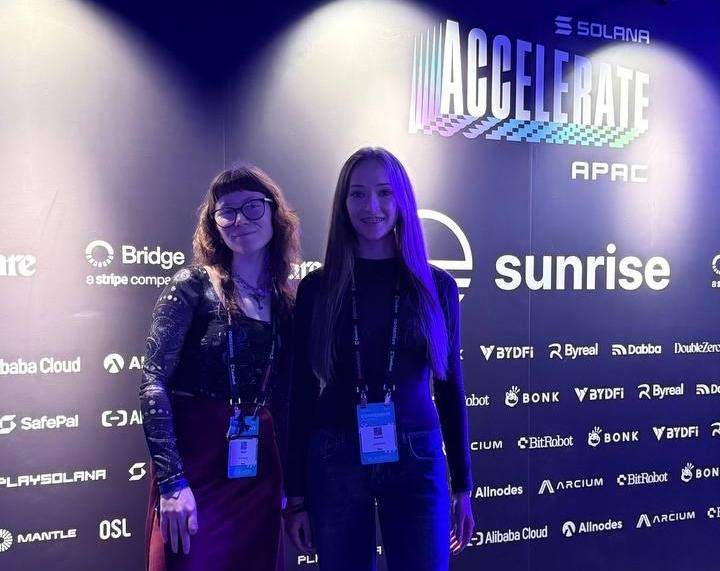
Who we met: partners, clients, and new connections
One of the best parts of Consensus is turning long-running online chats into real conversations — especially with teams already operating at scale.
During the week, we focused on reconnecting with existing clients and partners first: Bitpanda and others. And then expanding into new relationships that match our core audience: teams who need reliable RPC access and fast support.
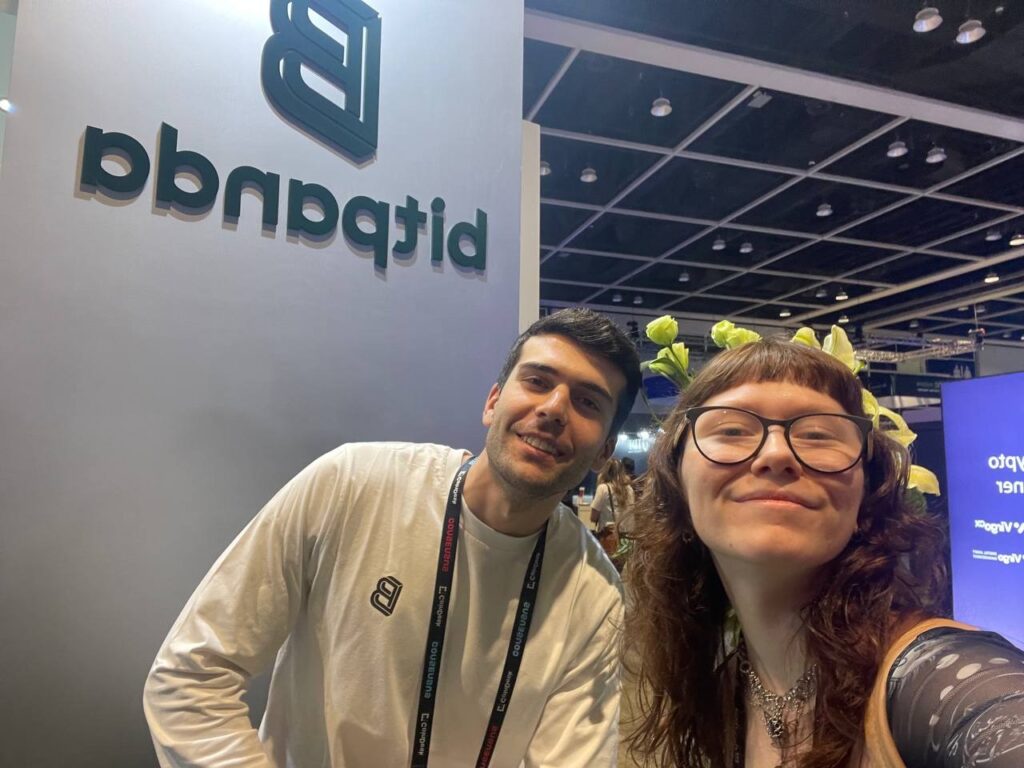
Highlights from our meetings included:
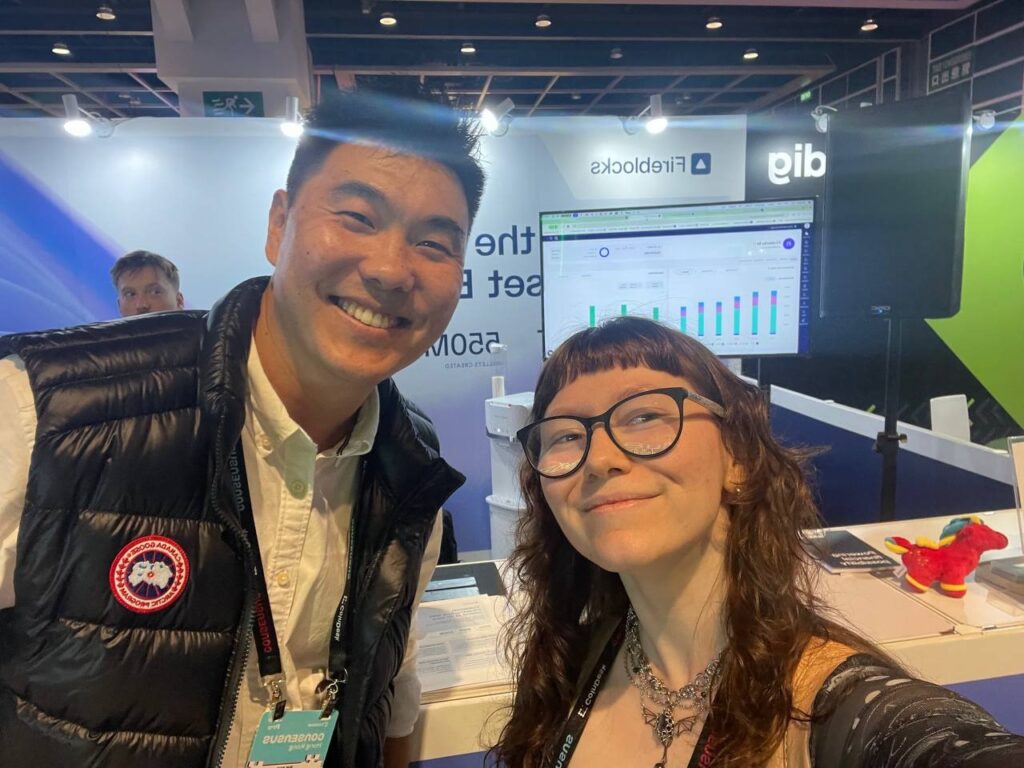
- Catch-ups and “how’s it going in production?” conversations with teams like Fireblocks and several exchanges we’ve been in touch with.
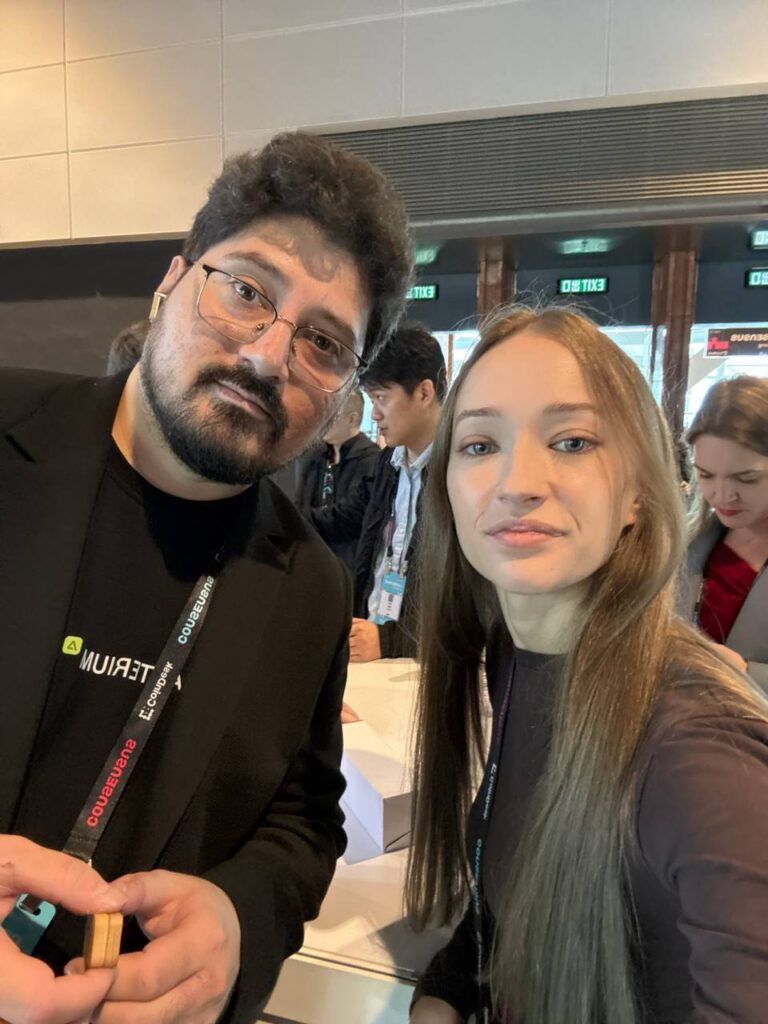
- Conversations with crypto card & payments teams including UPay and Asterium in the same space.
- Multiple discussions with projects exploring partnerships that blend infrastructure with distribution
Consensus week felt like three big lanes, especially in the side-event ecosystem:
1) AI agents everywhere
A noticeable share of side events clustered around AI agents.
This matched the broader event narrative too: Consensus programming explicitly leaned into the convergence of AI + on-chain execution, with “machine economy” language showing up in official event messaging.
2) RWAs: less hype, more implementation talk
The second lane was RWA (realworld assets): tokenization conversations, rails, compliance, and “how do we actually make this work” details.
Even if RWAs aren’t your product category, they’re infrastructure-heavy by nature (data, indexing, uptime expectations, auditability).
3) Network ecosystem events
The third lane: events hosted by networks and ecosystem groups — the “come build here” track.
These are useful because they surface what ecosystems are prioritizing next (and which chains teams are actively requesting support for).
Product trends and prediction markets
Beyond “themes,” three product categories kept coming up in conversations:
Crypto cards & payments are booming
We saw a strong “payments over trading” vibe, especially around crypto cards and consumer-facing payment UX. We discussed these trends directly with UPay and Asterion during Consensus week — and it was clear that more teams are treating “pay with crypto” as a baseline feature, not an experiment.

Stablecoins are the practical foundation
Stablecoins weren’t just a DeFi talking point — they were treated like plumbing: settlement, cross-border movement, and payment rails.
Hong Kong’s regulatory direction also reinforces why this narrative is accelerating: the HKMA has issued its first stablecoin issuer licenses in March 2026.
Prediction markets keep resurfacing
Prediction markets showed up repeatedly as well — multiple teams are building them, and people referenced the category as “back in the mix.”
For infra, this category can be deceptively demanding: real-time data, event-driven triggers, and volatility spikes when news breaks.

The market mood
A theme that surfaced in casual conversations was worry about slowed growth on the builder side: fewer teams shipping, tighter budgets, and the lingering “bubble” discourse.
At the same time, experienced operators framed it as cyclical: ups and downs, with tough periods that have been worse before.
Our takeaway: even when sentiment wobbles, the teams that are building demand higher standards — especially around reliability and support.
Clear product signals we’re taking home
The most valuable part of events like Consensus is hearing direct “if you had X, we’d move faster” statements.
Here are the strongest signals from this sync:
1) Market data is becoming a must-have
We heard repeated demand for Market Data — including needs like transaction tracking and cross-chain asset visibility, especially around assets that aren’t reliably tracked today.
The message was consistent: teams want it, it’s hard to source, and providers who do it well price it at a premium.
2) Partnership models are getting creative
One conversation stood out around a project proposing a model like “buy/stake our token and then we’ll consider you as a provider,” framed as something other providers have agreed to.
We’re sharing this not but as a signal: some ecosystems are experimenting with new vendor-selection mechanics, and infra teams need clear intent’s worth it.
Final takeaway
Consensus Hong Kong 2026 felt like a “builders + payments + AI rails” week:
- AI agents are everywhere, and the infra implications are
- Builders still want speed — but they’re becoming more demanding about reliability and support, not less.
- Crypto cards are booming: we saw a clear shift toward consumer payment UX. It was obvious that payments teams are becoming more demanding — reliability, predictable latency.